Professional Water Heater Installation Solutions to Keep Your Home Comfortable Throughout the Year
The installation of water heaters is a key factor in maintaining additional information home comfort. Specialized services secure conformity with safety requirements and increase energy efficiency. Skilled technicians assess individual needs to select the most suitable unit. This meticulous strategy may eliminate upcoming issues and enhance power consumption. Understanding the importance of expert installation raises questions about selecting the right service and the various water heater options available. What should homeowners consider to make an informed choice?
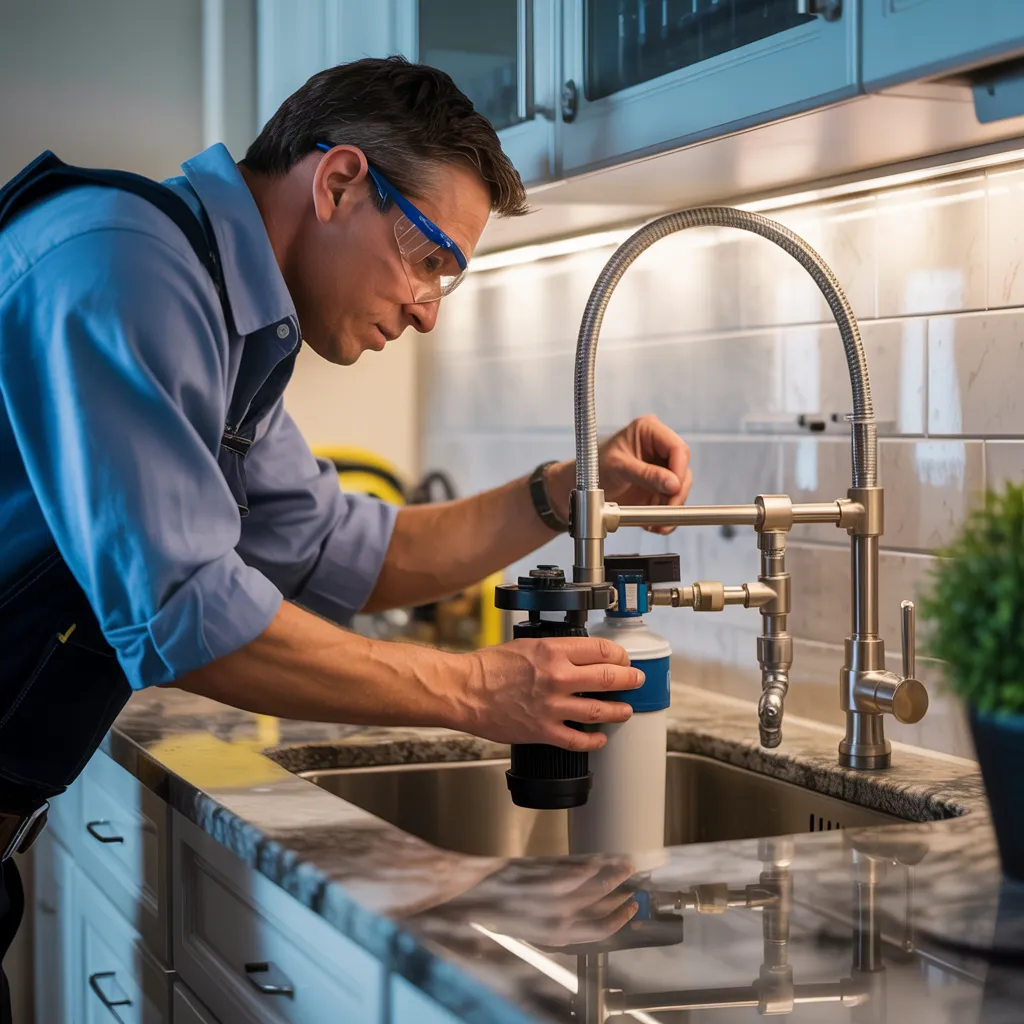
Why Professional Water Heater Installation Matters for Your Home
When residents think about improving their water heating equipment, the value of professional installation is paramount. Correct installation is critical to ensure safety, efficiency, and longevity of the system. A qualified technician has the necessary training and experience to follow local codes and regulations, decreasing the risk of errors that could lead to hazards such as leaks or electrical issues. Moreover, professional installers can correctly assess the unique needs of a home, making certain the selected unit is properly sized and configured for optimal performance. This not only improves the unit's functionality but can also prevent future costly repairs. Furthermore, expert installation often provides warranties that protect the homeowner's investment, offering peace of mind. In contrast, DIY installations may lead to complications that could compromise the system's effectiveness and safety, making professional installation an vital consideration for any homeowner wanting to upgrade their water heating system.
Perks of Skilled Water Heater Replacement
Professional water heater installation delivers substantial advantages, especially in terms of safety and energy efficiency. Skilled technicians guarantee that all safety standards are meticulously implemented, minimizing the risk of potential issues. Furthermore, their knowledge of optimal installation techniques contributes to better energy efficiency, ultimately lowering utility costs for homeowners.
Strengthened Safety Procedures
What impact can enhanced safety measures have on the installation of water heaters? Professional water heater installation services prioritize safety through conformity to local codes, regulations, and industry standards. Technicians are trained to handle potential hazards, such as gas leaks or electrical issues, guaranteeing that installations are performed correctly and safely. By implementing proper techniques and using high-quality materials, they minimize the risk of accidents or malfunctions. Furthermore, professional installers complete thorough inspections preceding and following installation, recognizing potential safety concerns that amateurs may not notice. This level of diligence not only enhances the safety of the household while offering peace of mind for homeowners, knowing that their water heater is properly installed and operating correctly.
Ideal Energy Conservation
While many homeowners tend to underestimate the critical nature of professional installation, optimal energy efficiency is one of the key benefits that can substantially improve the performance of a water heater. When installed by professionals, water heaters are adjusted to work at their optimal efficiency levels, reducing energy waste and lowering utility bills. Specialists guarantee that all components, including pipes and fittings, are accurately sized and fitted, avoiding heat loss and improving energy use. Furthermore, they can offer recommendations on the most appropriate models based on the household's needs, ensuring that the water heater performs efficiently without overworking. In summary, professional installation not only extends the lifespan of the unit but also facilitates a more green and cost-effective household environment.
Typical Water Heater Systems and Their Positive Aspects
When considering water heater choices, homeowners frequently come across a variety of types, each presenting specific advantages that meet different needs. Classic tank water heaters are favored for their ability to store hot water, making them suitable for larger households. They are usually less expensive at first but may generate higher energy costs over time.
In contrast, tankless water heaters offer hot water on demand, creating energy savings and the convenience of never running out of hot water. They are space-saving and ideal for smaller spaces.
Heat pump water heaters utilize electricity to relocate heat, offering substantial energy efficiency in temperate climates. Solar water heaters capture sunlight, reducing utility bills and environmental impact but may need a higher upfront investment.
Each variety provides specific benefits, letting homeowners to select a system that corresponds to their individual usage patterns and energy efficiency objectives.
How to Tell When Your Water Heater Requires Replacement?
What signs indicate that a water heater may need replacement? Homeowners should be vigilant for several key indicators. Initially, age serves as an important consideration; typical water heaters have a lifespan of 8 to 12 years. When a system nears or surpasses this age range, replacement ought to be evaluated. Additionally, observable leaks or standing water at the base warns of potential failure. Furthermore, fluctuating water temperatures or reduced hot water availability might signal internal problems. Rusty or discolored water is another red flag, suggesting corrosion inside the tank. Moreover, abnormal sounds, like popping or rumbling, typically suggest sediment deposits or mechanical breakdown. Lastly, rising energy costs could indicate poor efficiency, requiring thorough examination. Detecting these warnings can aid homeowners in averting unforeseen malfunctions and securing consistent hot water availability.
Choosing the Ideal Water Heater Installation Service
What's the best way for homeowners be sure they find the top water heater installation service? First, they should research local companies by reviewing online reviews and verifying ratings on platforms like the Better Business Bureau. This enables them to assess the quality of service provided. In addition, homeowners should ask for quotes from multiple services to evaluate pricing and understand what is included. It's important to validate that the selected installer is licensed, covered by insurance, and skilled, as this guarantees compliance with safety regulations and industry standards. Homeowners might also consider asking for recommendations from friends or family, as firsthand accounts can provide valuable insights. Last but not least, a reputable service provider will offer warranties for both labor and equipment, showing confidence in their work. By implementing these steps, homeowners can make educated decisions and select a water heater installation service that addresses their individual needs and expectations.
Understanding What Happens During Installation
Property owners can anticipate a structured and efficient process during water heater installation once they have chosen a reputable service. At the start, the installation team will arrive punctually, prepared with the essential tools and equipment. They will perform a complete assessment of the existing plumbing and electrical systems to establish compatibility with the new water heater.
Upon finishing the inspection, the professionals will securely remove the old unit, making sure to observe all safety protocols. Afterward, they will carefully position and secure the new water heater, connecting it to the water supply and power source. Throughout the installation process, the team will ensure transparent dialogue, addressing any questions the homeowner may have.
When the installation is complete, they will perform a set of tests to verify the unit operates efficiently and safely. Finally, the team will clean up the workspace, leaving the area neat and ready for the homeowner's use.
Advice for Maintaining Your Water Heater for Best Performance
Keeping up with a water heater is vital for maintaining its efficiency and longevity. Regular flushing helps eliminating sediment buildup, while setting the temperature setting can optimize energy efficiency. These simple practices can greatly improve the performance of a water heater.
Typical Flushing Protocol
Periodic flushing of a water heater is necessary for guaranteeing its peak efficiency and extended lifespan. Eventually, mineral buildup and sediment may collect at the bottom of the tank, contributing to reduced performance and possible harm. To carry out a flush, one should commence by disabling the gas or power supply to the heater. Next, the cold water inlet is shut off, and a hose is secured to the drain valve, directing water to a appropriate disposal area. Engaging the drain valve facilitates the contaminated water to drain. It is beneficial to periodically check the flushing process, ensuring all sediment is eliminated. Executing this upkeep activity at least once a year can greatly improve the water heater's durability and energy efficiency.
Temperature Control Modifications
Changing the temperature setting of a water heater is vital for both energy efficiency and comfort. Most experts advise setting the thermostat between 120°F and 140°F. This range delivers adequate hot water while minimizing energy costs and diminishing the risk of scalding. Regular checks of the temperature can help preserve optimal performance; if the water is consistently too hot or too cold, adjustments may be needed. Moreover, insulation around the tank and pipes can improve efficiency, keeping water warm longer. Homeowners should also be conscious that seasonal changes may necessitate temperature adjustments to maintain consistent comfort throughout the year. Adopting these simple adjustments can substantially lengthen the life of the water heater and optimize overall household energy use.
Frequently Asked Questions
What Is the Average Duration for a Water Heater Installation?
A standard water heater installation typically takes between two and four hours, contingent upon factors like the style of heater, existing plumbing connections, and any additional modifications necessary for correct installation and setup.
Is It Possible to Install a Water Heater on My Own?
It is possible to install a water heater yourself for those with adequate plumbing and electrical understanding. However, local codes and safety standards must be followed, making professional installation a safer and often more reliable option.
What Permits Are Required for Water Heater Installation?
Usually, permits needed for water heater installation include a plumbing permit and sometimes electrical permits, according to local regulations. Homeowners should contact their local building authority to guarantee compliance with all applicable codes and requirements.
How Can I Know the Proper Size Water Heater for My Home?
To figure out the right size water heater, it's essential to assess family size, peak usage periods, and specific fixture requirements. Computing the essential gallons per minute will assist in finding an proper capacity for optimal hot water availability.
What Warranty Coverage Is Available for Installed Water Heaters?
Multiple warranties are available for installed water heaters, generally ranging from six to twelve years. These warranties can cover parts, labor, and tank leaks, according to the manufacturer and specific model selected by the homeowner.